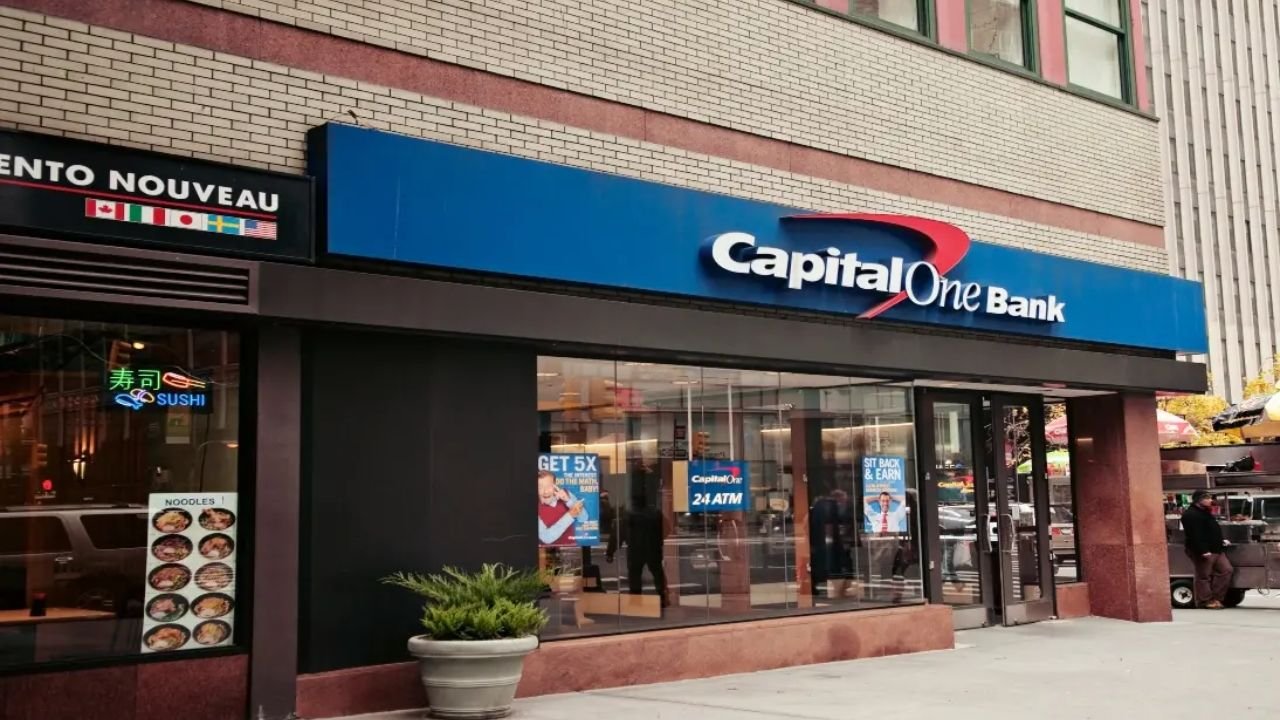
When Capital One agreed to pay a staggering $425 million in 2025, it marked more than just the end of a lawsuit—it was a reckoning. For nearly six years, millions of customers had waited for accountability after a massive data breach and a controversial interest rate scandal. Now, with one of the largest banking settlements in U.S. history, they’re finally seeing results.
Capital One’s $425 Million Settlement: What It Means
The settlement ties together two major consumer battles that defined Capital One’s recent history: a 2019 data breach that exposed personal information and a long-standing dispute over deceptive interest rates on its 360 Savings Accounts. Together, these crises led to a financial and reputational fallout so severe that it forced the company to compensate millions of customers for lost earnings and privacy violations.

| Settlement Component | Amount | Purpose |
|---|---|---|
| Cash Settlement Fund | $300 million | Reimburse customers for lost interest earnings |
| Interest Adjustment Fund | $125 million | Provide additional compensation to active account holders |
| Total | $425 million | Overall consumer compensation |
According to the U.S. District Court for the Eastern District of Virginia, payments will be sent out automatically—no need to fill out lengthy claim forms or jump through hoops.
The 2019 Breach That Shook the Industry
It all began in 2019, when a hacker exploited a security flaw in Capital One’s Amazon Web Services (AWS) cloud server. The breach exposed sensitive data from more than 100 million credit applications across the U.S. and Canada—everything from Social Security numbers to bank account details.

The Federal Trade Commission (FTC) later confirmed that the breach ranked among the largest in U.S. financial history. For victims, the fallout was personal and ongoing—many spent years monitoring credit reports and fighting potential identity theft.
Cybersecurity analysts at the time warned that the real danger wasn’t short-term fraud—it was that stolen Social Security numbers and financial histories don’t expire. Once leaked, they can resurface years later on the dark web.
The Interest Rate Controversy
While the data breach dominated headlines, another issue quietly festered in Capital One’s backyard—its 360 Savings Account. The company heavily marketed it as a “high-yield” option, but by 2022, a newer product called the 360 Performance Savings Account began offering significantly higher interest rates.
Here’s where things turned sour: many existing customers were never notified that they could upgrade or switch. As a result, millions of long-time account holders were stuck earning a fraction of what new customers were getting.

Consumer advocates estimated that this discrepancy cost savers up to $2 billion collectively. The Consumer Financial Protection Bureau (CFPB) later said the lack of clear disclosure violated federal transparency and fair advertising standards.
“People trusted Capital One to play fair,” said one attorney involved in the case. “Instead, loyal customers were unknowingly penalized for staying put. That’s not loyalty—it’s deception.”
Who Qualifies for a Payment
The good news? If you had a Capital One account during the affected years, you might already be on the payout list.

Eligibility requirements:
- You held a Capital One 360 Savings Account anytime between September 18, 2019, and June 16, 2025.
- Your account earned a lower rate because of the company’s restructuring.
- You were affected by the 2019 data breach.
Key dates:
| Date | Action |
|---|---|
| October 2, 2025 | Deadline to update payment info or opt out |
| November 6, 2025 | Final court approval hearing |
| Early 2026 | Payouts expected to begin |
Payment details:
- Automatic deposits or mailed checks will be issued to verified customers.
- Customers who close their accounts before Oct. 2, 2025 may receive a 15% bonus payout.
- No need to take legal action—eligible customers are automatically included unless they opt out.
Capital One has urged all participants to verify payment instructions through official bank channels only to avoid phishing scams—fake websites and fraudulent emails have already started circulating online.
Why This Settlement Matters
This case isn’t just about money—it’s about accountability in the modern financial age. It serves as a loud, unmistakable warning to the entire banking industry: cutting corners on transparency or cybersecurity can lead to billion-dollar consequences.
Here are the key lessons it underscores:
- Data security is non-negotiable. Financial institutions must protect customer information with the same urgency they protect their profits.
- Transparency builds trust. Failing to communicate clearly about interest rates or product changes erodes loyalty fast.
- Consumers have power. Legal action and regulatory oversight are proving that deceptive or negligent practices won’t go unchecked.
In the long run, this settlement could reshape how banks communicate with customers—especially as more Americans manage their finances online and trust digital platforms with their most private data.
FAQs
Who qualifies for the Capital One settlement?
Anyone who held a 360 Savings Account between September 18, 2019, and June 16, 2025, or was impacted by the 2019 data breach.
Do I need to submit a claim form?
No. Payments will be sent automatically once you confirm or update your account details before October 2, 2025.
How much compensation will I receive?
The exact amount depends on your account balance, interest rate differences, and whether your account remains active. Those who close their accounts early may receive an additional 15% bonus.
In a world where digital banking is the norm and trust can be shattered in a single breach, the Capital One settlement stands as both a cautionary tale and a turning point. It reminds millions of Americans that financial giants are finally being held accountable—and that consumer trust, once lost, is worth every penny to rebuild.