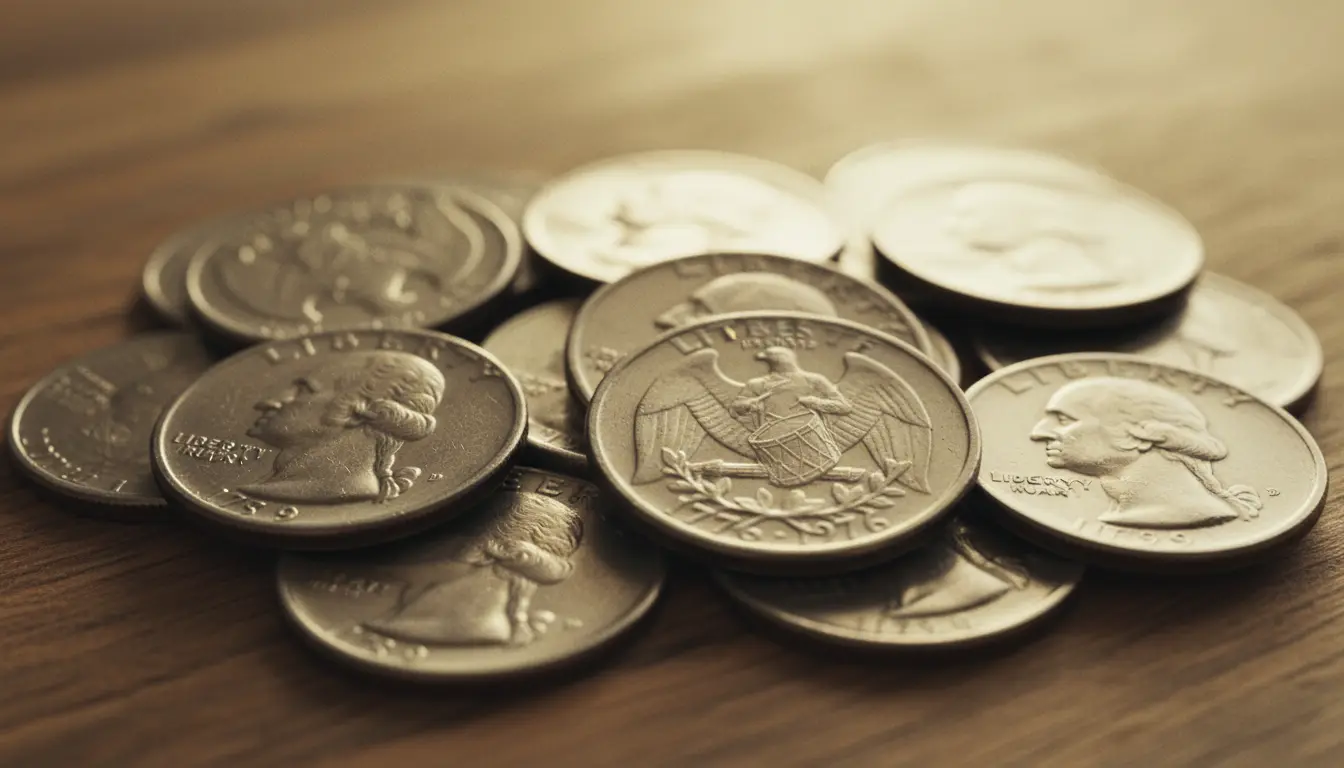
Collectors often discover surprising value in everyday coins. Take the 1976 Bicentennial quarter, for instance. While it was minted in large quantities, a few special varieties and errors can fetch a nice price among collectors.
This guide will walk you through how to identify rare 1976 Bicentennial quarters, what specific errors to keep an eye out for, handy tools to use, and tips for authenticating and selling any gems you find.
Why 1976 Bicentennial quarters are significant
The 1976 Bicentennial quarter was created to celebrate the nation’s 200th birthday and features a distinctive reverse design. Most of these coins in circulation are quite common and only worth their face value.

However, certain rare varieties, off-center strikes, doubled dies, and special mint issues can be quite valuable. Even minor error coins can attract collectors willing to pay more than just face value.
How to find rare 1976 Bicentennial quarters in your change
Searching through loose change is an affordable way to potentially uncover treasures, especially if you follow a consistent method. Focus on high-traffic sources and use basic tools to quickly sift through coins.

Tools and materials
- A magnifier (10x loupe) for detailed inspection
- Soft gloves or finger cots to prevent fingerprints
- A bright, angled light or LED lamp
- A sorting tray or shallow bowl
- Access to coin price guides and online databases
Where to look
Focus on locations that typically have a lot of circulated coins. Here are some great options:
- Coin rolls from banks
- Cash registers and vending machines
- Garage sales and estate cleanouts
- Community roll hunts and coin clubs
Quick workflow for hunting 1976 Bicentennial quarters
- Gather a large quantity of quarters or roll-sorted coins.
- Examine the coins under bright light, looking for unusual surfaces or incomplete strikes.
- Use a loupe to inspect any problem areas and the mintmark.
- Set aside any potential candidates for closer examination and possible grading.
Quick visual checks for 1976 Bicentennial quarters
Many valuable finds can be spotted without needing advanced tools. Use these quick checks to filter out the common coins.

- Reverse design clarity: look for doubled or ghosted images on the eagle and drum motifs.
- Edge and reeding: check the rim for clipped planchets or missing reeds.
- Off-center strikes: partial designs can often be worth more than face value.
- Mintmark and surface: unusual toning or a misplaced mintmark can indicate a variety.
What makes a 1976 Bicentennial quarter valuable
Value increases with rarity and visual appeal. Here are some factors that can boost a coin’s worth:
- Significant minting errors (off-center, broadstrike, clipped planchet)
- Clear doubled dies or die breaks
- High-grade uncirculated surfaces (minimal wear)
- Coins from special mint sets or silver issues kept in pristine condition
Did You Know?
Some collectors believe that millions of collectible quarters are still out there in circulation because casual spenders rarely check for errors. A careful search through rolls can significantly increase your chances of finding a special coin.
Common valuable errors and what to look for
Error coins tend to grab the most attention from collectors due to their unique characteristics. When searching for 1976 Bicentennial quarters, keep an eye out for these types of errors:

- Doubled die impressions on the obverse or reverse lettering and design
- Off-center or incomplete strikes where part of the design is missing
- Clipped planchets where the blank was cut incorrectly before striking
- Die cracks and cuds—raised lines or blobs from damaged dies
Not every error will be highly valuable, but striking or rare errors can command prices ranging from hundreds to thousands of dollars, depending on their severity and demand.

Real-world example: a small hunt that paid off
One collector had a weekend roll hunt that turned up a few Bicentennial quarters. While most were standard, one coin displayed a strong off-center strike, and another had a noticeable die crack on the reverse.
The collector sent both coins to a specialist for imaging and grading. They attracted bids online; the off-center strike sold to a specialty collector for several hundred dollars, while the die-cracked coin fetched a smaller premium.

This example illustrates that even brief searches can yield valuable finds when you know what to look for and how to document your discoveries.
How to verify and sell a rare 1976 Bicentennial quarter
Before selling, verification is crucial. Use trusted resources and services to confirm authenticity and grade.
- Take high-resolution photos of the coin in good lighting.
- Consult online databases, collector forums, and current price guides.
- For significant finds, consider third-party grading from an accredited service.
- When selling, explore auction sites, coin dealers, and specialty numismatic forums. Compare offers to get the best deal.