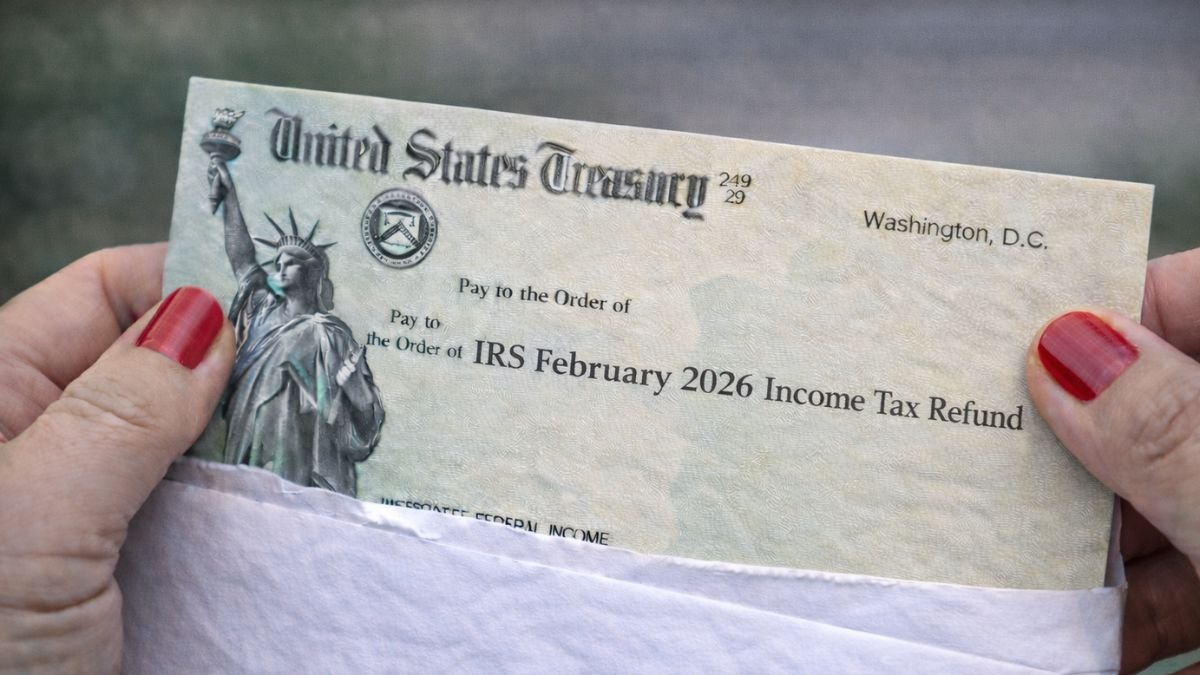
Tax refunds provide important financial support to millions of Americans every year. Many families rely on this money to pay monthly bills, reduce credit card debt, build emergency savings, or cover planned expenses. As the 2026 tax season begins, understanding how the refund system works can help taxpayers plan ahead and avoid confusion.
When the IRS Started Processing Returns
The Internal Revenue Service began accepting tax returns for the 2025 tax year in late January 2026. Once a return is submitted and officially accepted, it enters the processing system. Acceptance means the return has passed basic checks and is ready for review.

For most taxpayers who file electronically and choose direct deposit, refunds are generally issued within about 21 days after acceptance. Electronic filing allows tax information to move directly into IRS systems, which speeds up verification. Direct deposit also reduces waiting time because funds are sent straight to a bank account without mailing delays.
Factors That Affect Refund Timing
Refund timing depends on several factors. The date you file, whether you submit electronically or by mail, and how you choose to receive your payment all influence how quickly the money arrives. Paper returns take longer because they must be manually opened and entered before processing begins.

Certain refundable credits can also impact timing. Returns that claim the Earned Income Tax Credit or the Additional Child Tax Credit require extra review under federal law. These refunds are typically held until at least mid-February to confirm income details and reduce fraud risk. Because of this, taxpayers claiming these credits may receive refunds later in the season.
Reasons for Possible Delays
While many refunds are processed smoothly, delays can occur. Errors such as incorrect Social Security numbers, mismatched income information, or missing forms may trigger additional review. Identity verification checks can also extend the timeline. Even small mistakes may pause the return until corrections are made.

Tracking Your Refund Status
Taxpayers can monitor progress using the official IRS online tracking tool. Updates are usually available within 24 hours for electronically filed returns. Paper returns may take about four weeks before appearing in the system. The tracking tool shows three main stages: received, approved, and sent.
Tips for Faster Processing
For 2026, the IRS has updated its technology to improve efficiency. Filing early, reviewing all information carefully, and choosing direct deposit remain the most reliable ways to receive a refund quickly. However, it is wise to allow extra time in case verification steps are required.
Disclaimer:
This article is for informational purposes only and does not provide tax, financial, or legal advice. Refund timing and amounts depend on individual tax situations and official IRS guidelines. For accurate and personalized guidance, consult official IRS resources or a qualified tax professional.