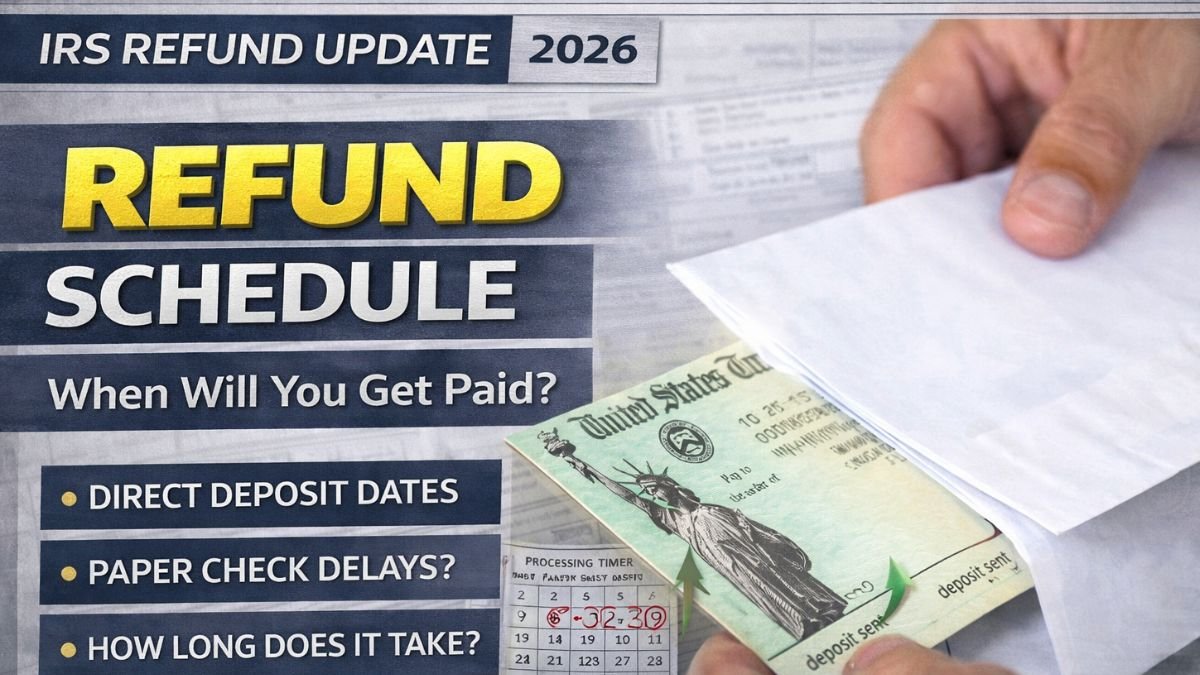
Many taxpayers who have already filed their 2025 income tax returns are now waiting for their refunds and wondering when the money will arrive. A tax refund can play an important role in a household budget. Some families use it to catch up on bills, pay down credit cards, or add to savings. Because the timing is not the same for everyone, understanding how the refund schedule works can help reduce stress while you wait.

How the Refund Timeline Works
The tax refund schedule is not a fixed calendar with guaranteed payment dates. Instead, it follows general processing patterns. The most important moment is when the return is officially accepted for processing. Acceptance means the tax authority has received the return and confirmed that it passed basic checks. The waiting period usually begins from this acceptance date, not from the day you submitted the return.

For most electronically filed returns with no issues, refunds are often issued in about three weeks. This is an average estimate, not a promise. Some refunds arrive sooner, while others may take longer depending on the details of the return.
Filing Method and Delivery Speed
How you file your return makes a big difference. Electronic filing is usually the fastest option because the information goes straight into the processing system. When electronic filing is combined with direct deposit, refunds often move through the system more quickly.
Paper returns take longer. They must be opened and entered manually before processing can begin. Choosing to receive a paper check instead of direct deposit can also add extra time due to printing and mailing.
Common Reasons for Delays
Refunds may be delayed for several reasons. Missing forms, incorrect Social Security numbers, or wrong bank details can slow processing. Some returns are selected for identity verification or additional review, especially when certain tax credits are claimed. These checks are designed to prevent fraud but can extend the waiting period.

Taxpayers can track their refund using the official online tracking tool. The system usually shows stages such as received, approved, and sent. Checking through official sources is more reliable than relying on social media estimates.
Improving Your Chances of Faster Processing
Filing electronically, choosing direct deposit, and reviewing all information carefully before submission can reduce common delays. Keeping copies of documents and responding quickly to any official notice can also help.

Disclaimer: This article is for informational purposes only and does not provide tax, legal, or financial advice. Refund timelines depend on individual tax situations and official processing procedures. For accurate and personalized information, consult official tax authority resources or a qualified tax professional.