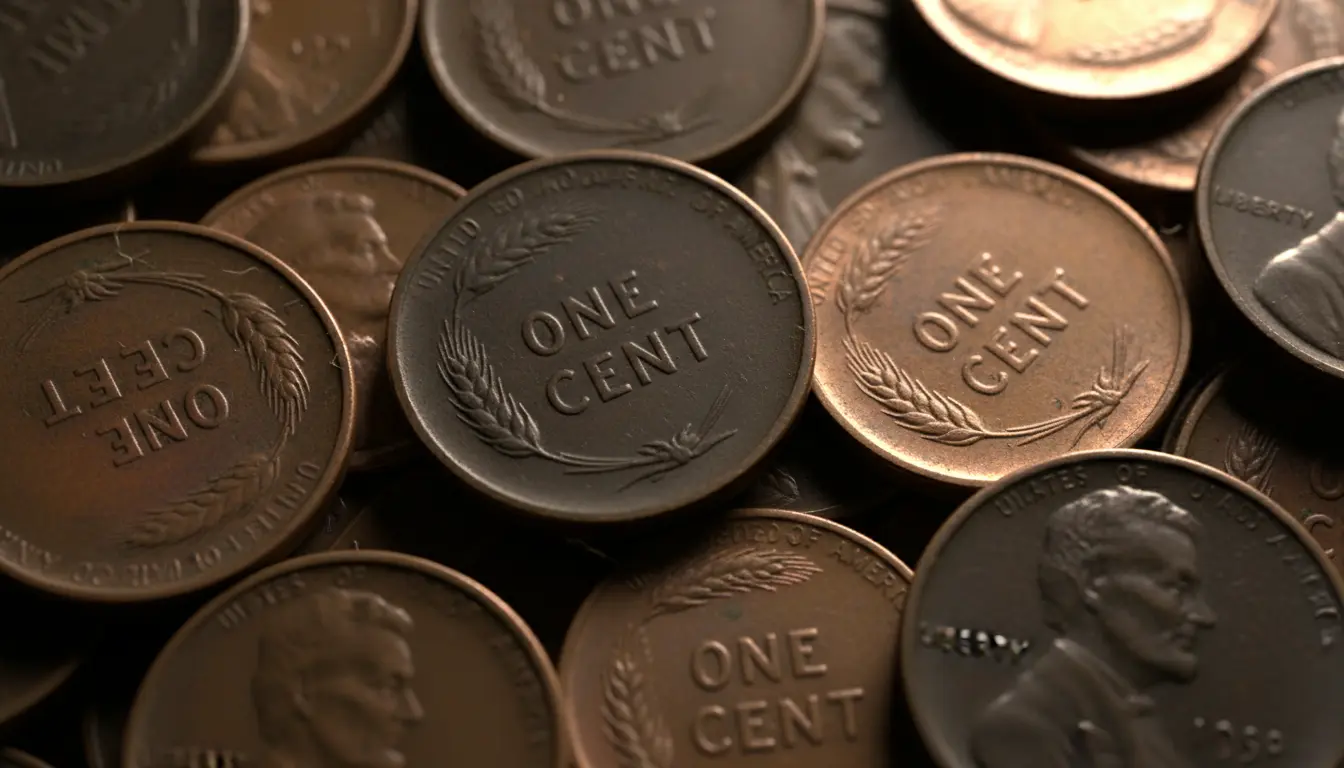
Wheat pennies, or Lincoln cents minted from 1909 to 1958, are a favorite among both new and seasoned collectors. Their worth hinges on three main elements: the year and mint mark, the condition of the coin, and any unique errors or varieties. This guide will help you navigate how to assess wheat pennies based on their year and what to keep an eye out for if you’re buying, selling, or evaluating a coin.

How to Determine the Value of Wheat Pennies by Year
First, find the date and mint mark on the front of the coin. Mint marks include D for Denver, S for San Francisco, and no mark for Philadelphia. Knowing the year and mint mark gives you insight into the coin’s origin and whether it might be rare.
Then, take a close look at the coin’s condition. Coins are graded on a scale from Good (G) all the way up to Mint State (MS). Even those more common wheat pennies can see their value spike significantly if they’re in excellent condition.

Key Dates That Impact Wheat Penny Value
Certain years and varieties can be more valuable thanks to low mintage, high demand, or notable errors. Collectors are always on the lookout for these key dates to enhance their collections or find hidden gems in circulation.
- 1909-S VDB — a sought-after early variety that’s a must-have for many sets.
- 1914-D — a rare find with lower mintage that’s especially desirable in higher grades.
- 1931-S — this date is scarce in collectible condition due to low mintage.
- 1955 Doubled Die Obverse — an important error variety that gets a lot of attention.
- 1943 Copper Cents — these accidental strikes in a steel year are both rare and valuable.
This is just a sampling; the market is ever-changing, so consider these as starting points for your research.

How Condition and Grading Affect Value
For more common dates, the condition often holds more weight than the year itself. A common 1940 penny in Mint State can be worth more than a rare date in poor condition. It’s important to use basic grade descriptions when comparing prices and listings.
- Good (G) to Fine (F) — shows clear wear with a readable date; generally modest in value.
- Very Fine (VF) to Extremely Fine (EF/XF) — demonstrates light wear and looks appealing; carries higher prices.
- About Uncirculated (AU) — exhibits only minimal wear on the high points.
- Mint State (MS60–MS70) — free of wear; uncirculated coins in this range are often sold and graded by professional services.
Grading and Authentication Services
If you think you have a high-value or error wheat penny, think about getting it graded and authenticated by a third party. Professional services provide a grade and secure it in a protective case, which can boost buyer trust and its resale value.

Reputable grading services have extensive databases you can use to compare your coin against similar ones and check recent auction results.
The Impact of Errors and Varieties on Value
Errors and varieties can massively increase a coin’s value. Watch out for doubled dies, off-center strikes, repunched mint marks, and misstruck metals. Each type has its own market and level of interest from collectors.
When you suspect you have an error, take clear photos and compare your coin with verified examples from trusted sources or auction houses before jumping to any conclusions about its worth.

Steps to Assess Value by Year
Follow these straightforward steps to estimate a wheat penny’s value by year. This process can save you time and minimize risks when buying or selling.
- Identify the date and mint mark, and note any distinctive features.
- Evaluate the condition using basic grading descriptions.
- Check recent sales for similar grades and dates from reliable sources.
- Consider getting authentication for items you suspect might be high-value or feature rare errors.
- Factor in costs like grading fees and auction commissions when calculating value.
What Common Dates Typically Fetch
In circulated condition, most common wheat pennies are generally worth between face value and a few dollars. Mid-grade coins can climb into the single or low double-digit range. However, key dates in high grades or verified error varieties can soar into the hundreds or even thousands.

To get accurate value estimates, always refer to recent sales data, since coin prices can fluctuate based on demand and availability.
Did You Know?
Wheat pennies were produced between 1909 and 1958. Their reverse design features two wheat stalks, which gives the series its nickname. Many collectors affectionately call them “wheat cents” or “wheaties.”
A Mini Case Study: Discovering a Notable Variety
One collector, while rummaging through estate boxes, discovered a 1955 wheat penny with a distinct doubled image on the date and lettering. After taking photographs and cross-referencing reliable sources, they sent the coin for grading. The certified doubled die ended up selling at auction for a much higher price than an ordinary 1955 in similar condition.

The takeaway here is that having a bit of knowledge, making careful comparisons, and getting professional authentication can turn a simple find into a profitable sale.
Tips for Collectors Monitoring Wheat Penny Values by Year
- Keep an organized inventory that includes date, mint mark, grade, and provenance.
- Follow recent auction results instead of listed prices for realistic value insights.
- Engage with coin clubs or online forums to learn from seasoned collectors.
- Store your coins properly in sleeves or holders to protect them and maintain their value.
With a little patience and research, wheat pennies can be a rewarding area to collect. Whether you focus on dates, mint marks, or types of errors, understanding how to read dates, evaluate condition, and verify rarities will empower you to gauge the value of wheat pennies by year.