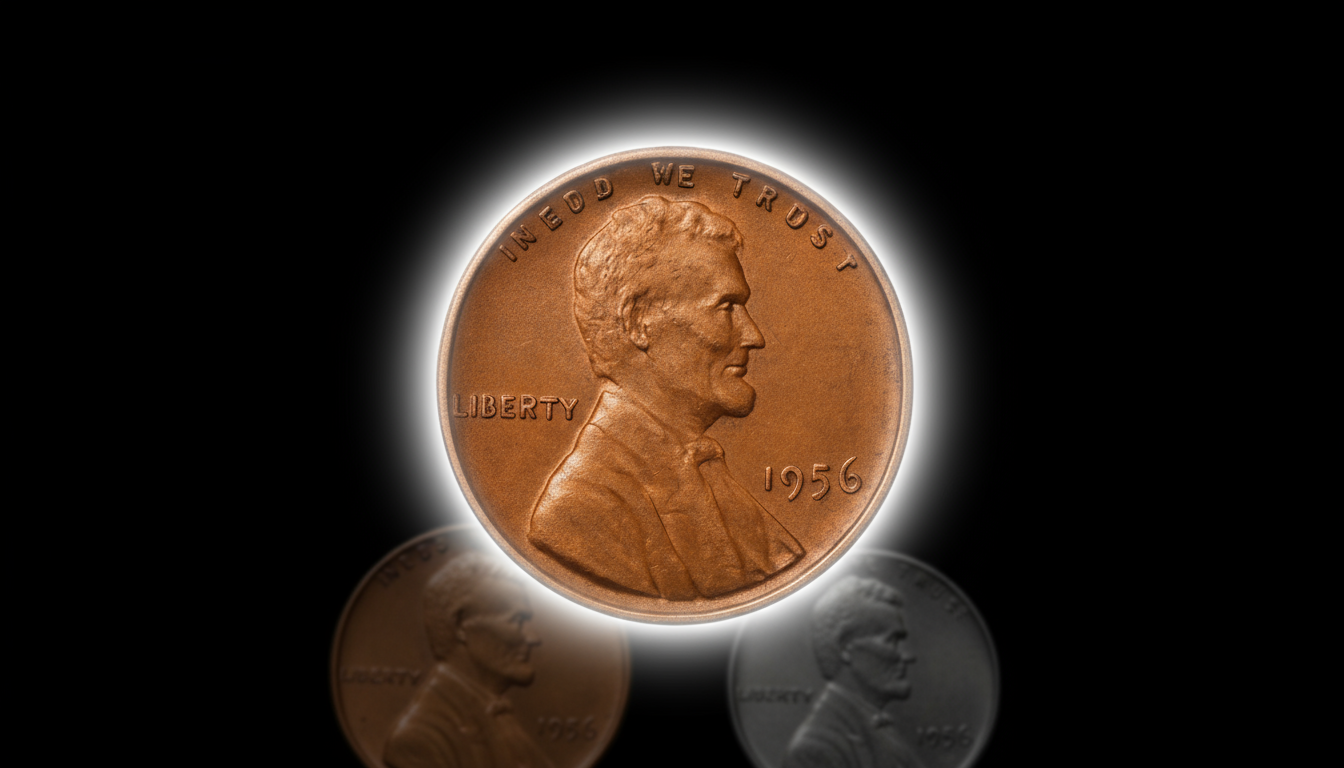
Have you ever come across a penny so old and shiny that you just couldn’t help but wonder where it’s been? Maybe it sat in a soldier’s pocket during World War II or passed through a small-town grocery store during the Great Depression. That’s the magic of the Wheat Penny—a tiny copper coin that’s carried America’s story for over a century.
From dusty jars to online auctions, these coins have quietly gained attention—and value. In the past decade alone, their market has seen surprising growth, thanks to new collectors, digital marketplaces, and a rising sense of nostalgia. Let’s dig into how the humble Wheat Penny evolved from everyday change into a cherished collectible worth far more than one cent.

A Quick Look Back: What Is a Wheat Penny?
The Lincoln Wheat Cent, first minted in 1909, was designed by Victor David Brenner to honor Abraham Lincoln’s 100th birthday. The front shows Lincoln’s profile, while the back—marked by two wheat stalks—represents prosperity and America’s agricultural roots.
Made of 95% copper, Wheat Pennies were minted until 1958, when they were replaced by the Lincoln Memorial design. But for collectors, these “wheat backs” remain a symbol of craftsmanship and pride from an earlier, hands-on America.

How Their Value Has Changed Over Time
Most Wheat Pennies are worth just a few cents, but rare dates and minting errors can fetch hundreds—or even thousands—of dollars. Between 2015 and 2025, coin values have steadily risen, fueled by social media buzz, online coin communities, and younger collectors entering the hobby.
Here’s a quick look at how prices have climbed:
| Year | Common Wheat Penny (Circulated) | Uncirculated/Mint Condition | Rare Varieties (e.g., 1909-S VDB, 1955 Double Die) | Notable Market Trend |
|---|---|---|---|---|
| 2015 | $0.05 – $0.25 | $1 – $3 | $300 – $1,500 | Stable collector activity |
| 2017 | $0.10 – $0.50 | $2 – $5 | $400 – $2,000 | Growing interest |
| 2019 | $0.15 – $0.60 | $3 – $7 | $500 – $2,500 | Online communities expand |
| 2021 | $0.20 – $0.75 | $4 – $10 | $600 – $3,000 | Auction boom |
| 2023 | $0.25 – $1.00 | $5 – $12 | $700 – $3,500 | Surge in graded coin demand |
| 2025 | $0.30 – $1.50 | $6 – $15 | $800 – $5,000+ | Resurgence led by younger collectors |
It’s clear—while common pennies see modest growth, rare and pristine ones have become hot commodities.

What’s Behind the Value Surge
Several trends have powered this new wave of interest:
- Digital Coin Communities: Platforms like Reddit, YouTube, and CoinTalk turned collecting into a global conversation. One viral video about a rare coin can send thousands of people digging through their spare change.
- Nostalgia and Patriotism: Lincoln’s image and the wheat design strike a chord with Americans, symbolizing unity and hard work through tough times.
- Rarity Awareness: Today’s collectors know what to look for—like the famous 1955 Double Die or 1909-S VDB.
- Economic Uncertainty: Tangible assets such as coins offer comfort when markets fluctuate.
- Family Discoveries: Many new collectors start after finding a handful of old coins passed down through generations.
Iconic Wheat Pennies Every Collector Dreams Of
| Year | Mint Mark | Description | 2025 Estimated Value | Notable Fact |
|---|---|---|---|---|
| 1909-S VDB | San Francisco | First year issue with designer initials | $1,000 – $5,000+ | Only 484,000 minted |
| 1914-D | Denver | Hard to find in high grade | $200 – $2,500 | Commonly counterfeited |
| 1922 No D | Denver | “D” mint mark missing | $500 – $3,000 | Rare error coin |
| 1931-S | San Francisco | Final low-mintage year | $100 – $600 | Rising in value |
| 1955 Double Die | Philadelphia | Dramatic doubling on lettering | $1,000 – $10,000+ | Most famous error penny |
These coins don’t just hold value—they hold stories of craftsmanship, history, and luck.

Grading: The Secret to Unlocking Value
The condition of a Wheat Penny makes all the difference. Coins are graded on a 1–70 scale by organizations like PCGS and NGC.
- Good (G-4): Worn, but date and design visible.
- Fine (F-12): Some details show, moderate wear.
- Extremely Fine (EF-40): Light wear, crisp features.
- About Uncirculated (AU-50): Nearly perfect.
- Mint State (MS-60 to MS-70): Flawless, full shine.
A jump from EF to MS can mean the difference between a $20 coin and a $200 one.
The Digital Revolution in Coin Collecting
The Internet completely changed the game. Once, collectors had to travel to coin shows or rely on dealers. Now, anyone can buy, sell, or learn online. Platforms like eBay, Heritage Auctions, and Stack’s Bowers host thousands of listings, making it easy for beginners to join in.
Even better, apps like CoinSnap and PCGS Photograde let you identify and grade coins right from your phone. AI is even being used to verify authenticity—helping prevent costly fakes.

The Emotional Side of Collecting
Beyond money, there’s a deeper joy in holding a century-old coin. Many collectors describe it as touching history itself—imagining who might have spent that same penny generations ago. It’s also a shared experience between families; countless people say their love for coins began while sorting through their grandparents’ collections.
Common Mistakes to Avoid
- Never clean your coins. It destroys value by removing natural patina.
- Watch out for counterfeits. Rare Wheat Pennies, especially the 1909-S VDB, are often faked.
- Store them right. Use PVC-free holders to prevent corrosion.
- Research before buying. Check recent auction prices for fair value.
The Bigger Picture: Coins as Micro-Investments
In 2024 alone, U.S. coin auction sales topped $600 million—proof that coins are more than just a hobby. Some outperform even precious metals in growth. And with Millennials and Gen Z now accounting for nearly half of online collectors, the market’s future looks strong.

How to Check the Value of Your Wheat Pennies
- Look for the date and mint mark under Lincoln’s shoulder.
- Search for mint errors like doubling or off-center strikes.
- Compare condition using grading charts online.
- Use price guides like PCGS or NGC for current values.
- Get professional certification for rare or high-grade finds.
Why Wheat Pennies Still Matter
Even if most Wheat Pennies aren’t worth thousands, they represent something priceless—America’s journey through change, innovation, and perseverance. Each coin carries fingerprints of history, connecting the past with the present.

Teachers use them to teach students about inflation and history. Families pass them down as heirlooms. Collectors see them as pieces of art forged in copper.
Looking Ahead: The Future of Wheat Pennies
Experts expect demand to keep rising—especially for early 1909–1930 issues. And with AI-driven grading and blockchain-based verification on the horizon, collecting will only get easier and more transparent.
By 2030, you might even see rare coins traded fractionally—just like stocks—making high-value coins accessible to everyone.
Quick Recap
| Category | Insight |
|---|---|
| Average Circulated Value | $0.30 – $1.50 (2025) |
| Uncirculated Range | $6 – $15 |
| Rare Varieties | $800 – $5,000+ |
| Most Valuable Year | 1955 Double Die |
| Fastest-Growing Collector Base | Ages 20–35 |
| Best Storage | PVC-free airtight holder |
Final Thoughts
The Wheat Penny isn’t just a coin—it’s a piece of living history. Each one holds a whisper of America’s past, from factory workers and farmers to soldiers and schoolkids. While their financial value keeps rising, their true worth lies in their story.
So next time you find a Wheat Penny in your change, don’t toss it aside. Take a closer look—you might just be holding a copper treasure, a small slice of history that refuses to fade.