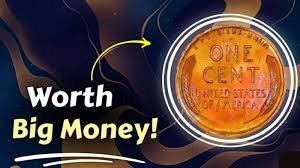
Imagine going through old coins and discovering a 1953 wheat penny with sharp details or a unique flaw. While many of these coins are common and worth just a few cents, certain high-quality examples and errors can sell for hundreds or even thousands in 2025. This classic Lincoln cent, one of the last wheat reverses, offers an exciting opportunity for collectors looking for rare finds, such as repunched mint marks or full red luster.

Brief History of the 1953 Wheat Penny
The 1953 wheat penny represents the final years of the famous wheat reverse series that ran from 1909 to 1958. Over 1 billion were produced across three mints: Philadelphia (no mark, with the highest mintage), Denver (D), and San Francisco (S, the lowest at 181 million). Made from 95% copper, these cents often exhibit weak strikes or spots, making pristine examples hard to find.
What Drives 1953 Wheat Penny Value
The condition of the coin is key—full original “Red” (RD) color can command significant premiums over Red-Brown (RB) or Brown (BN). The mint mark also plays a role: the 1953-S has a slight advantage due to lower production. Errors such as repunched mint marks (RPM) or doubled dies add both excitement and value. Grading by PCGS or NGC helps authenticate rare finds and can increase their market price.

1953 Wheat Penny Values by Mint (2025 Estimates)
Most circulated 1953 wheat pennies are valued between 10 and 50 cents. Uncirculated coins shine even brighter, particularly those in Red.
| Mint Mark | Circulated (Good-VF) | MS-65 RD | MS-67 RD (Rare) |
|---|---|---|---|
| No Mark (P) | $0.15–$1 | $20–$50 | $1,000–$7,000+ |
| (D) Denver | $0.15–$1 | $15–$40 | $5,000–$10,000+ |
| (S) San Francisco | $0.20–$2 | $25–$60 | $2,000–$8,000+ |
Rare Errors and Varieties Worth Hunting
While there are no major errors like the 1955 doubled die, some minor varieties can still be valuable. Repunched mint marks (RPM) on D or S coins, which reveal doubled letters, can be worth between $10 and $100+. BIE errors (a die break that alters “LIBERTY” to “LIBIERTY”) can add $20 to $200. Minor doubled dies or off-center strikes may fetch $50 to $500, depending on their quality. Proofs from Philadelphia can reach $50 to $500 or more for cameos.

How to Spot a Valuable 1953 Penny
Using a loupe, check the mint mark under the date (none indicates Philadelphia, D for Denver, and S for San Francisco). Look for vibrant red luster, which suggests a higher value. Watch out for errors like doubling on letters or dates, as well as extra mint mark punches. Avoid cleaning the coin, as this can diminish its value.
Tips for Collecting 1953 Wheat Pennies
Consider buying rolls or lots for potential raw finds, then upgrade to slabbed high-grades. Focus on acquiring full red MS-66 or better for investment purposes. When selling errors, auctions or reputable dealers are the way to go. Store your coins in protective holders to keep their luster intact.

FAQs – 1953 Wheat Penny Values
Is a regular 1953 wheat penny worth money? Most circulated coins are valued at 15 to 50 cents; uncirculated red examples start at $15 or more.
Which 1953 wheat penny is the rarest? The high-grade MS-67+ Red, especially from Philadelphia or Denver, is scarce due to weak strikes.
Are 1953 wheat penny errors valuable? Yes, RPMs and BIE varieties can add between $20 and $500 or more, with dramatic ones fetching even higher.

What’s a 1953-D wheat penny worth? Common in lower grades (starting at $0.15); MS-67 Red can exceed $10,000.
Should I grade my 1953 wheat penny? It’s a good idea for coins suspected to be MS-65 or better, as slabbing protects and confirms their value.
The 1953 wheat penny may appear ordinary given the billions minted, but those in full red condition or with errors can command impressive prices as of December 2025. Understanding condition and variety is key to distinguishing face value from significant payouts. Check your jars, rolls, or change today—an overlooked rarity might just be waiting for you.