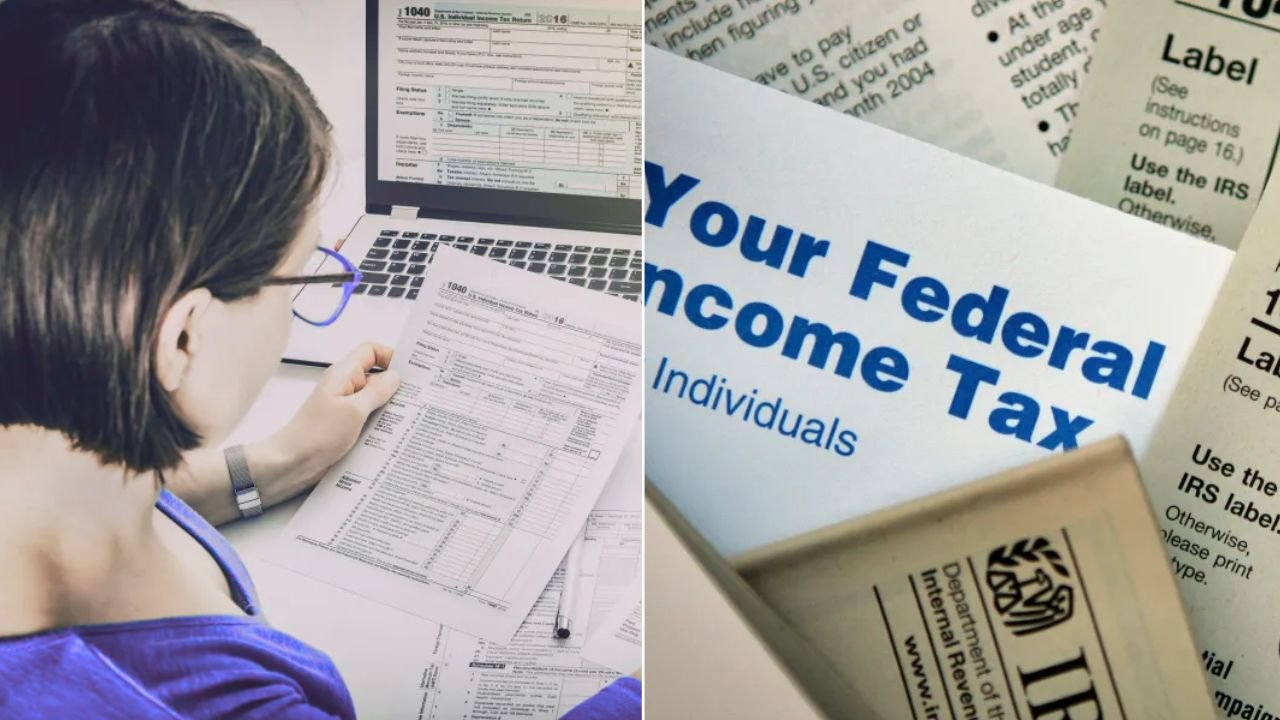
When Americans sit down to file their 2025 taxes next spring, they might notice something surprising — those refund checks could be a whole lot bigger than usual. In fact, some experts are comparing it to another round of stimulus payments quietly landing in early 2026.
According to JPMorgan’s chief strategist David Kelly, the boost is tied to President Trump’s “One Big Beautiful Bill Act” (OBBBA), a sweeping economic plan signed into law in July 2025. “We will see an even larger crop of personal income tax refunds early in 2026 than was anticipated when the OBBBA was passed,” Kelly wrote on LinkedIn.

IRS data backs up his point. The average refund last tax season was about $3,186. Kelly now predicts it’ll jump to roughly $3,743 — an extra $557 back for the typical filer. But there’s a twist behind that good news.
Why 2026 Refunds Could Be So Large
Here’s the catch: the IRS has decided not to adjust its tax withholding tables for 2025. That means your paycheck won’t reflect those new tax cuts yet — you’ll be overpaying throughout the year. When you file your taxes next spring, that overpayment will come back to you in the form of a fatter refund.
Think of the IRS withholding tables like a thermostat for taxes. Normally, when tax rates change, the agency tweaks those tables so you bring home a little more each payday. But because no adjustment was made this year, you’re paying more upfront — and you’ll get it back later.
It’s a quirky setup, but politically it’s a powerful one. Millions of Americans could suddenly receive what feels like a bonus check from the government — just months before the 2026 midterms.

What’s Inside Trump’s “One Big Beautiful Bill Act”
The OBBBA isn’t just a single tax cut — it’s a collection of deductions and credits designed to appeal to different groups of voters.
| Provision | Who Benefits | Limitations |
|---|---|---|
| $6,000 Senior Deduction | Americans aged 65+ | Phases out above $75K single / $150K joint income |
| Tip Income Deduction | Employees & self-employed workers | Up to $25K/year; phases out above $150K AGI ($300K joint) |
| Child Tax Credit Boost | Families with children under 17 | Raised from $2,000 to $2,200 per child; partially refundable |
Kelly points out that most of these changes are deductions, not credits — so they help higher earners more, since deductions reduce taxable income rather than directly lowering your tax bill. “The higher your marginal rate, the greater the value of the deduction,” he explained.

Still, not everyone walks away a winner. The biggest benefits phase out for upper-income households, and lower-income Americans — many of whom don’t itemize or owe little tax — may only see a modest change.
The Tariff Tradeoff
While taxpayers can look forward to bigger refunds, they might also feel new financial pressure at the checkout counter. The Trump administration’s aggressive tariff hikes on imported goods are expected to raise prices across the board — from smartphones to groceries.

Kelly estimates the average tariff rate could rise from 8% to 14.5% next year. That translates to roughly $2,400 in extra costs for the average family, according to Yale’s Budget Lab.
“People think retailers will absorb the hit — but they won’t,” Kelly said in an interview with Bloomberg. “If Walmart pays more, consumers pay more.”
And for lower-income families, those price hikes sting even harder, since essentials make up a larger share of their spending.

Stimulus 2.0? Inflation Concerns Linger
So what happens when a surge of refund cash hits the economy at the same time prices are already running hot? Economists say it could feel like a mini stimulus wave — and that means inflation might tick up again.
Kelly predicts the consumer inflation rate, currently hovering around 3%, could rise to 3.5% by the end of 2025. “You give an American consumer a stimulus check, they will spend it,” he said. “You’re going to get a second round of inflation.”

It’s not necessarily a crisis, but it could complicate the Federal Reserve’s efforts to stabilize interest rates.
Politics and Timing
The timing couldn’t be more politically charged. Those extra-large refunds will start hitting bank accounts just months before the 2026 midterm elections — and for many voters, it’ll feel like a Trump-era dividend.
Democrats are calling it a “backloaded bribe,” arguing that the bill creates short-term sugar highs at the expense of long-term stability. Republicans, meanwhile, insist it’s a victory for working Americans. “We’re putting money back where it belongs — in the hands of taxpayers,” one GOP lawmaker said.
FAQs
When will Americans start seeing larger refunds?
Taxpayers will see these changes reflected in refunds issued during the 2026 filing season, after they file their 2025 returns.
Are these refunds the same as stimulus checks?
No. The higher refunds stem from tax overpayments due to unchanged withholding tables, not from a new relief or stimulus program.
Who benefits most from the OBBBA tax cuts?
Seniors and higher-income earners see the biggest gains due to new deductions and phase-outs, though most Americans will experience at least some relief.
In short, 2026 could bring what feels like a surprise payday — a blend of overpaid taxes, fresh deductions, and political timing that makes the refund season feel a lot like the stimulus years all over again.